Advance Procurement Strategies: The FIM Revolution
Project Management Excellence for Renewable Energy series
Renewable energy projects are uniquely positioned to benefit from Free-Issue Material (FIM) strategies due to their equipment-intensive nature. Unlike traditional construction projects, renewable energy developments allocate 60-80% of their total CAPEX to critical components such as turbines, solar panels, inverters, and battery systems. This high equipment cost ratio creates unprecedented opportunities for cost optimization through direct procurement strategies.
Equipment CAPEX Breakdown by Technology:
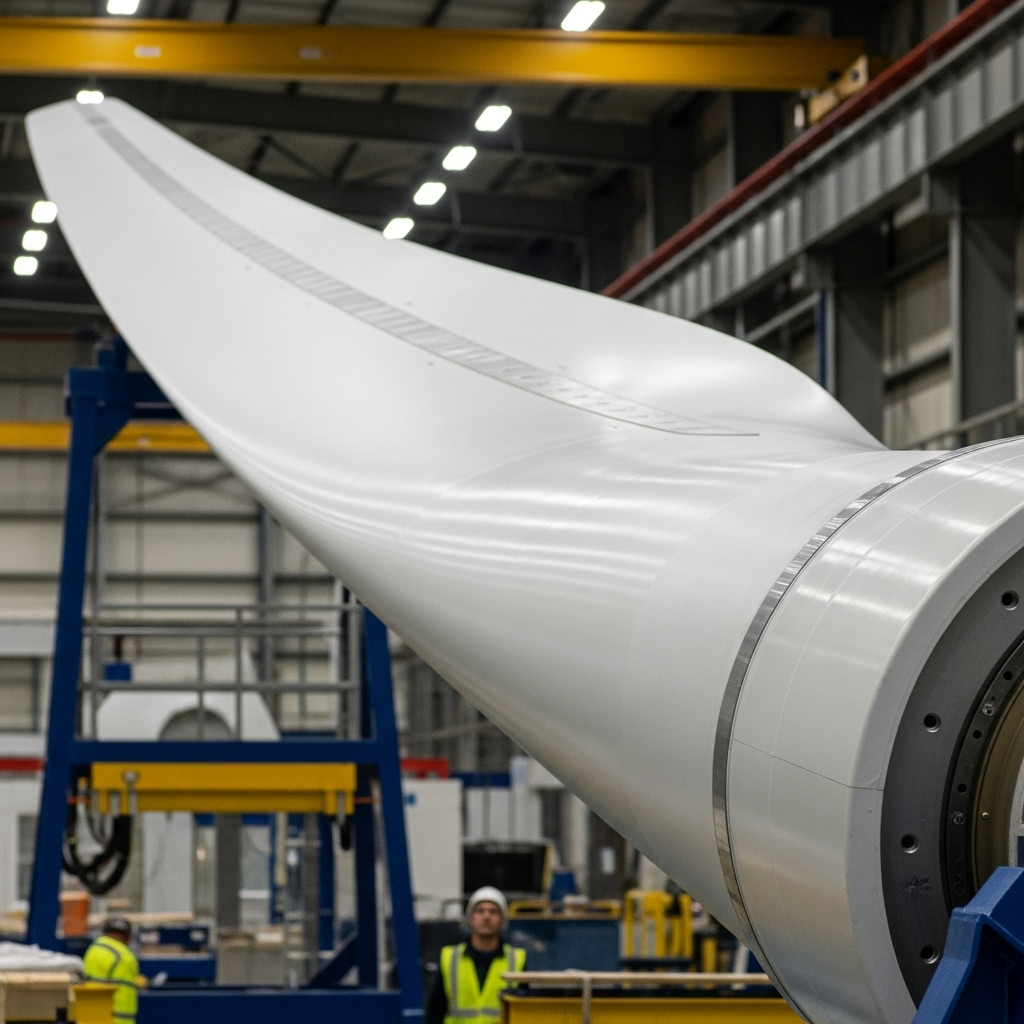
Turbine Blades
Aerodynamic design, composite materials
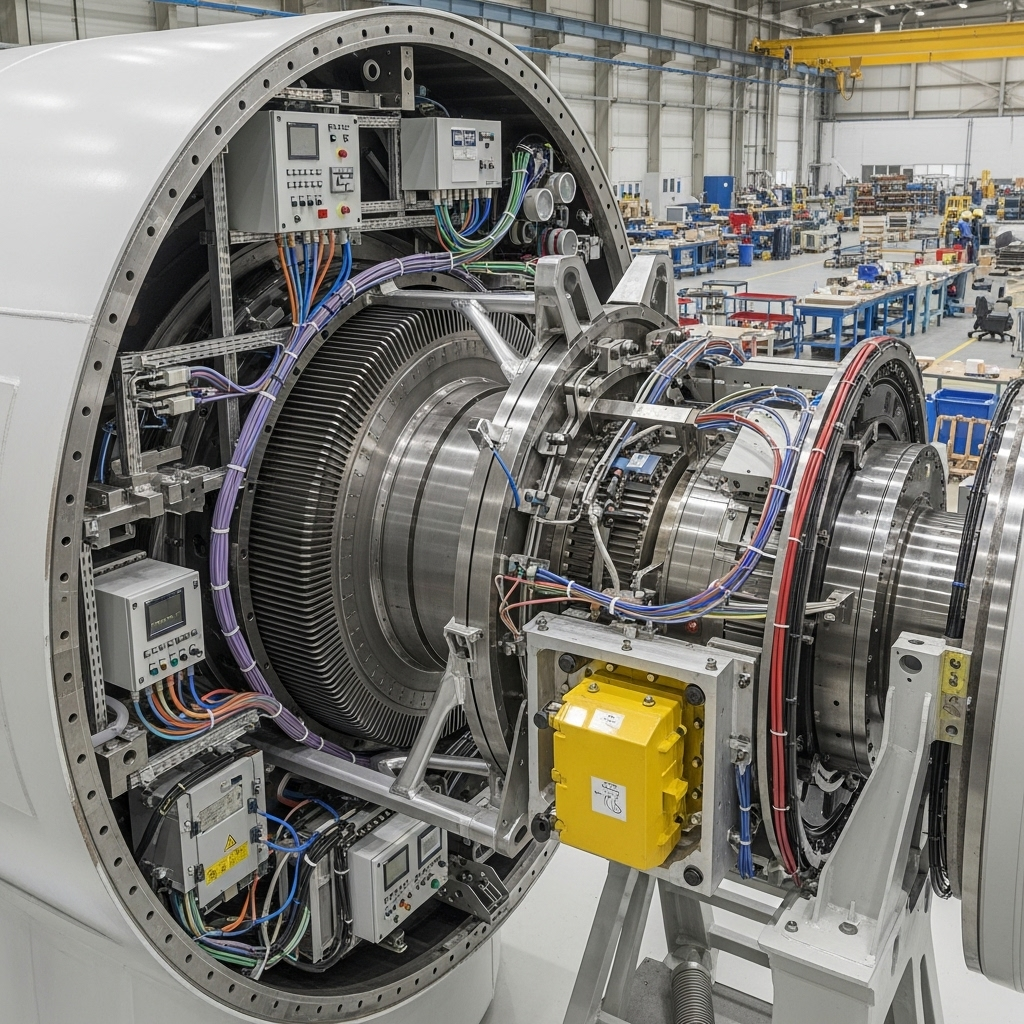
Nacelle & Gearbox
Generator, gearbox, control systems
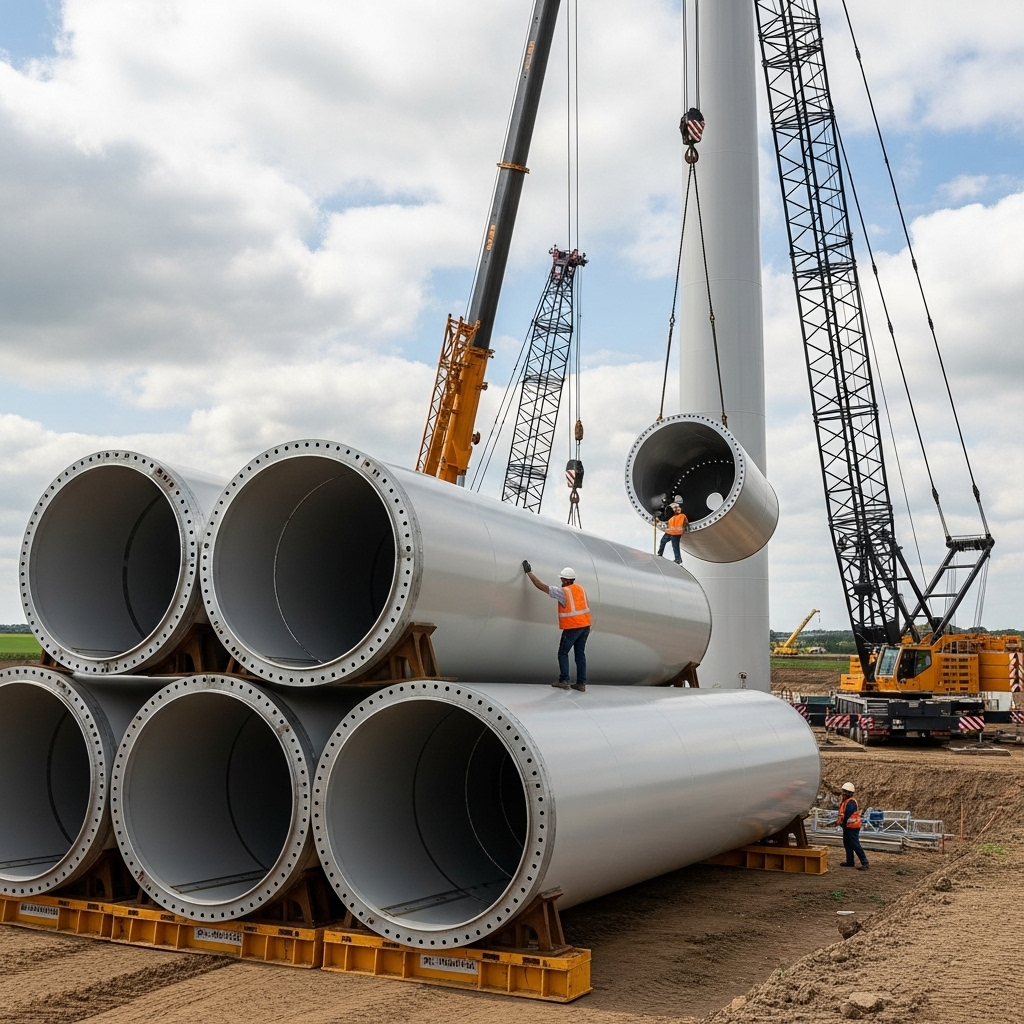
Tower Structure
Steel tower, foundation interface
Wind Project CAPEX Breakdown:
- • Turbines: 65-75% of total CAPEX
- • Foundations: 10-15% of total CAPEX
- • Electrical systems: 8-12% of total CAPEX
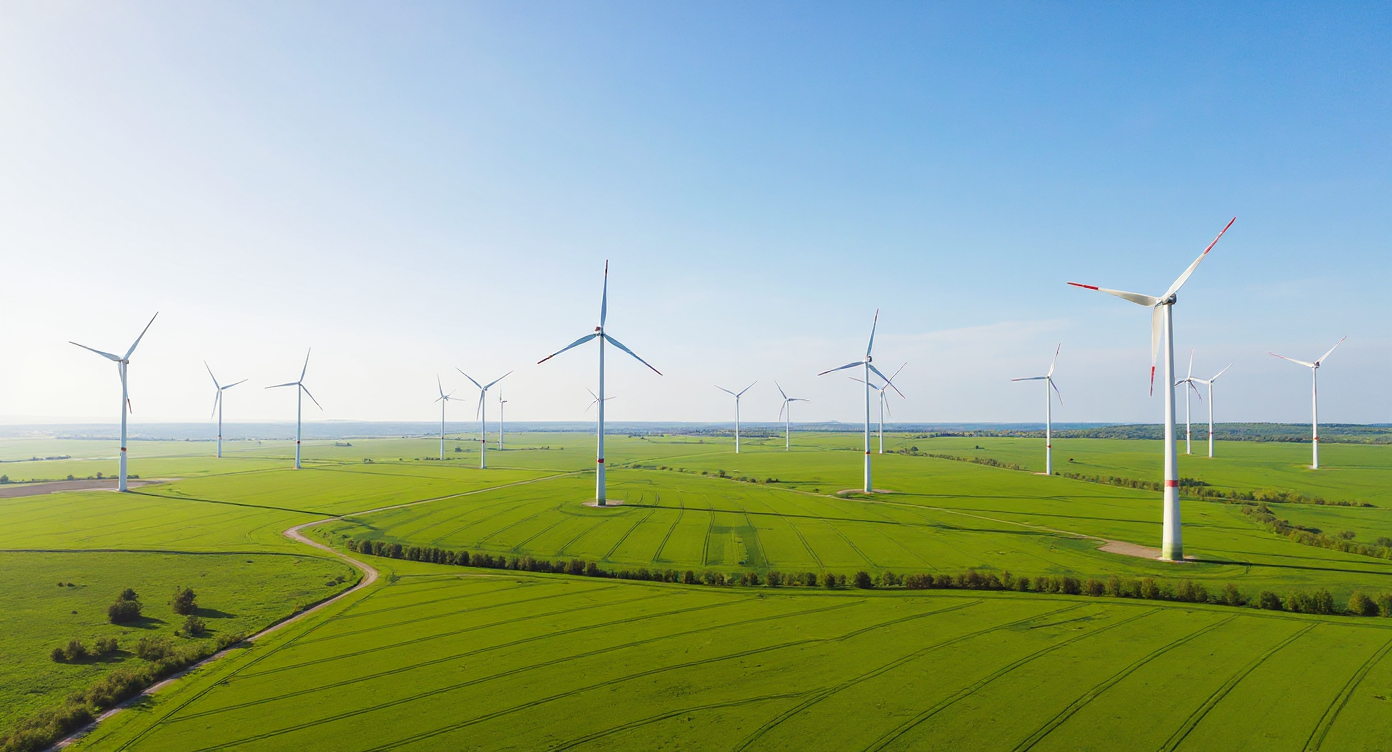
Onshore Wind
Equipment represents 70-75% of total project cost. Direct turbine procurement can save $2-5M per 100MW project.
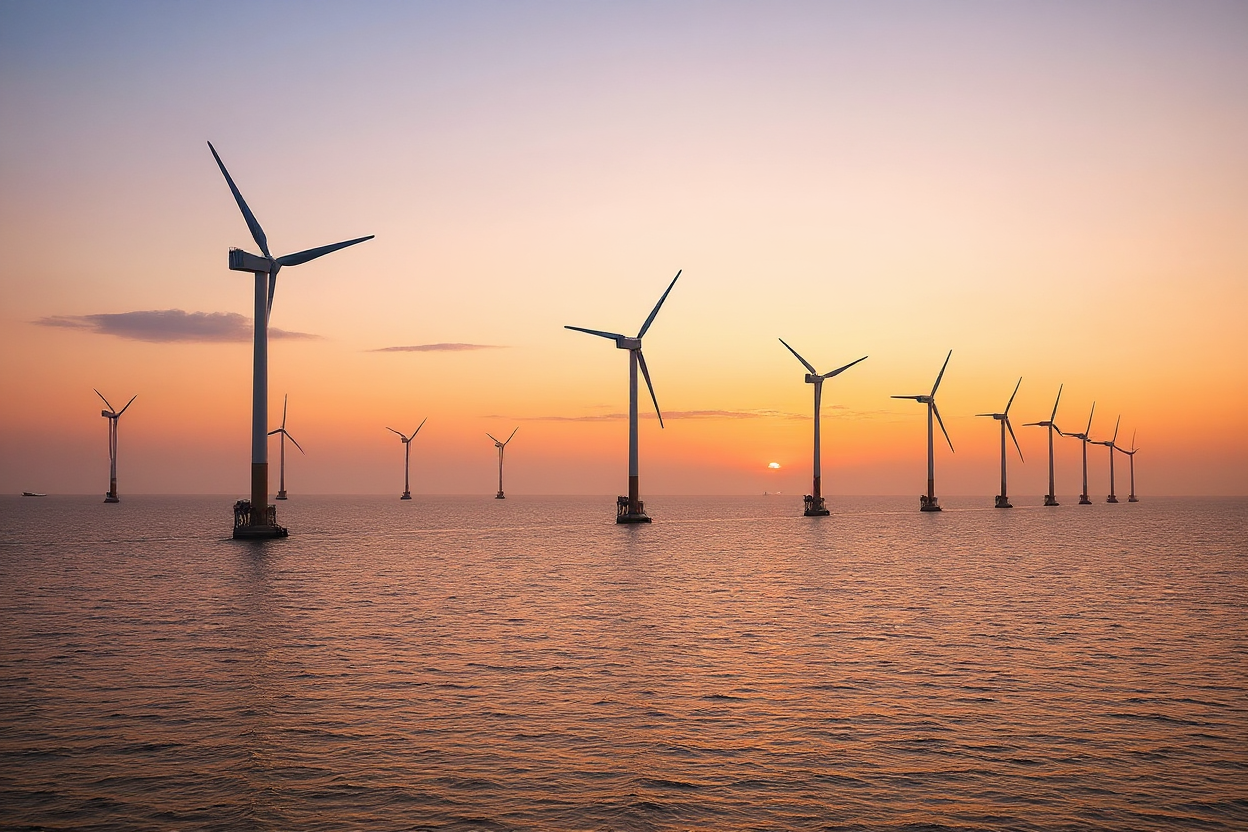
Offshore Wind
Higher equipment costs (65-70% of CAPEX) due to specialized marine turbines. FIM critical for cost control.
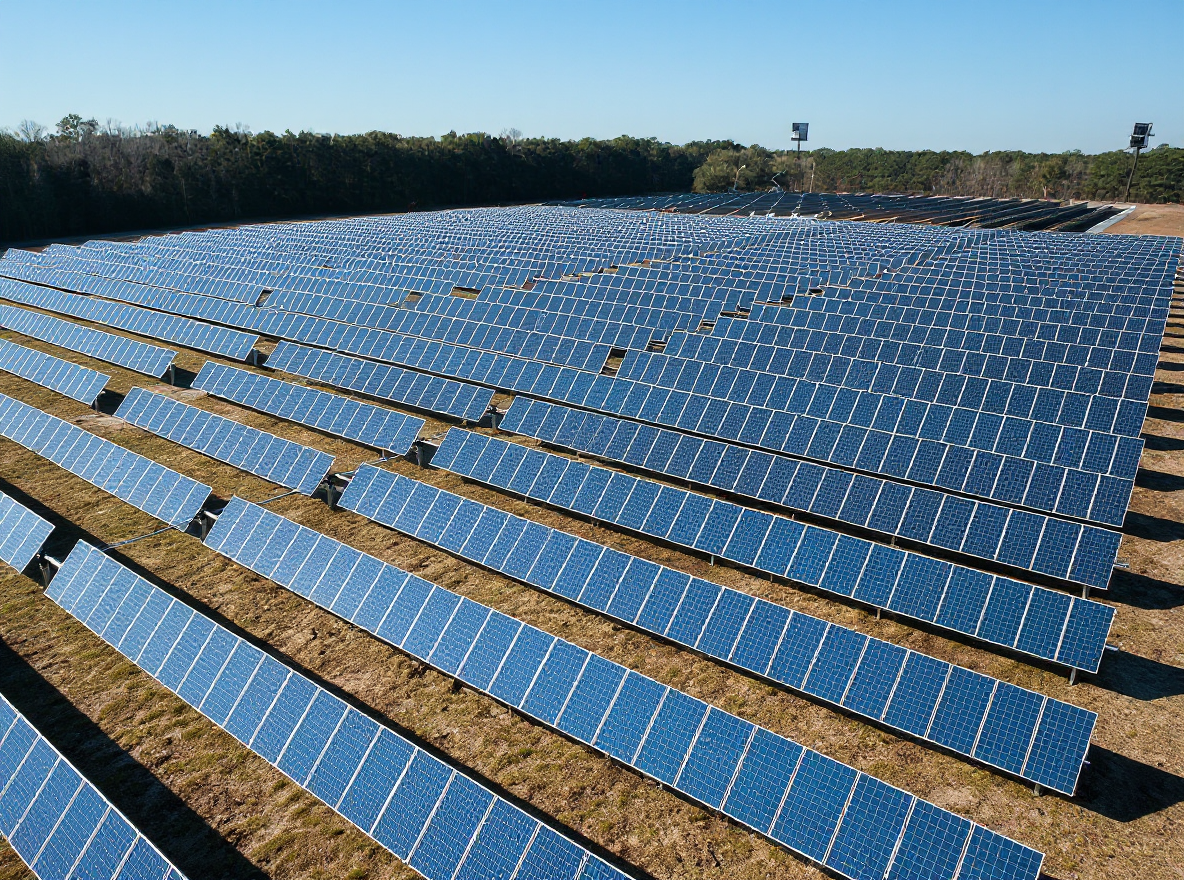
Solar Farms
Module and inverter costs dominate (60-65% of CAPEX). Bulk procurement enables significant economies of scale.
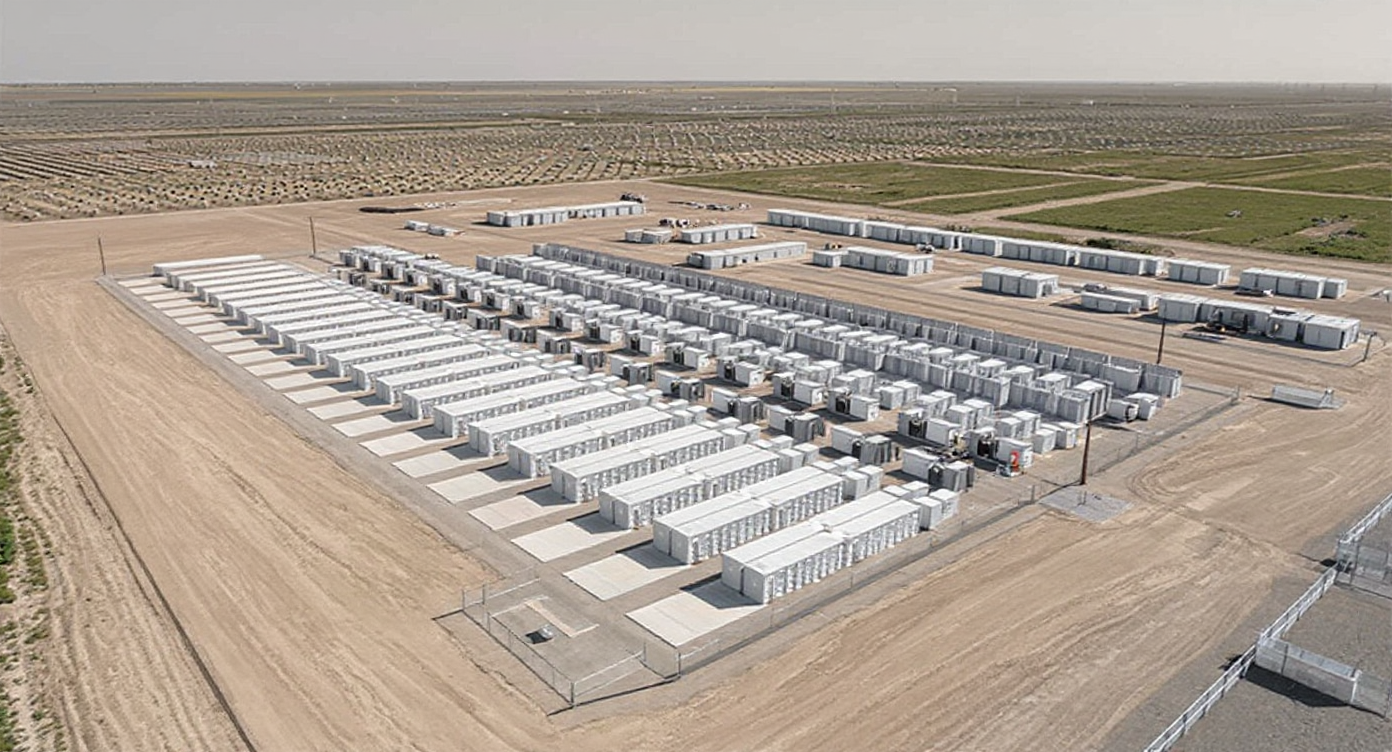
BESS Projects
Battery systems account for 75-80% of total cost. Direct procurement essential for warranty and performance guarantees.
The FIM Advantage in Numbers:
Free-Issue Material (FIM) is a strategic procurement approach where the project owner directly purchases and supplies critical, high-value components to the EPC (Engineering, Procurement, and Construction) or BOP (Balance of Plant) contractor. Instead of the contractor sourcing all materials and marking them up, the owner leverages their purchasing power and expertise to secure key equipment directly from manufacturers.
Key Principles of FIM:
- Direct Procurement: Owner establishes direct relationships with equipment manufacturers.
- Cost Optimization: Eliminates contractor markups and leverages bulk purchasing power.
- Quality Control: Owner has direct oversight of manufacturing and quality assurance.
- Supply Chain Transparency: Full visibility into the origin and logistics of critical components.
Understand the fundamental differences between traditional and advanced procurement models.
In a Single EPC contract, one contractor is responsible for the entire project from Engineering, Procurement, to Construction. The owner hands over the project and receives a complete, operational facility.
Pros:
- Simplified project management for the owner.
- Single point of responsibility.
- Predictable lump-sum cost (often).
Cons:
- High contractor markups on equipment.
- Limited transparency and control over supply chain.
- Potential for quality compromises to meet budget.
- Owner loses direct relationship with manufacturers.
- Contractor supplies all materials: Lack of transparency and control over sourcing.
- Limited quality control: Reliance on contractor's standards, often leading to compromises.
- Higher markup costs: Significant hidden profits for contractors on critical components.
- Supply chain black box: No visibility into origin, ethics, or reliability of suppliers.
- Reduced standardization: Inconsistent components across projects, complicating maintenance and future upgrades.
- Project employer procures critical components: Direct control over quality, cost, and delivery.
- Direct supplier relationships: Build long-term partnerships, negotiate better terms, and ensure ethical sourcing.
- Bulk purchasing power: Leverage economies of scale for significant cost reductions.
- Quality control at source: Implement rigorous inspection and testing protocols from manufacturing to delivery.
- Standardization across projects: Ensure consistency, simplify spare parts management, and improve operational efficiency.
Enhanced Innovation
Direct engagement with manufacturers fosters co-development and access to cutting-edge technologies.
Reduced Risk Exposure
Mitigate supply chain disruptions, quality failures, and contractual disputes by taking direct control.
Improved Stakeholder Trust
Transparency in procurement builds confidence with investors, regulators, and local communities.
🎯 The secret to these results? Strategic component selection and proactive supplier management through FIM.
Adjust the sliders to see the potential cost savings for your renewable energy project by adopting the FIM approach.
Potential FIM Savings
*This calculation provides an estimate. Actual savings may vary based on project specifics.
Explore how the FIM approach delivered tangible benefits across diverse renewable energy projects.
North Sea Wind Farm - 500MW: Mastering Complexity
Challenge:
Managing a highly complex supply chain for massive turbines, foundations, and subsea cables, with multiple EPC contractors each adding significant markups and creating interface risks.
FIM Solution:
The project owner directly procured the wind turbines (WTGs) and major foundation components from global manufacturers. EPC contractors were then responsible for installation, reducing their scope and associated markups on these critical, high-value items. This allowed for direct quality oversight and strategic vendor relationships.
*This case study highlights the power of FIM in large-scale, complex infrastructure projects.
A structured, phased approach to successfully integrate Free-Issue Material strategy into your renewable energy projects.
Phase 1: Strategic Assessment & Planning
- Analyze project component breakdown and identify high-value, high-risk items suitable for FIM.
- Conduct a thorough market assessment of potential direct suppliers for identified components.
- Develop a detailed FIM procurement plan, including budget allocation, and risk mitigation strategies.
- Define clear roles and responsibilities for internal teams and external consultants.
Phase 2: Supplier Engagement & Negotiation
- Issue comprehensive Requests for Quotation (RFQs) to pre-qualified global manufacturers.
- Evaluate technical specifications, production capabilities, quality control processes, and commercial proposals.
- Conduct rigorous supplier audits and due diligence, including factory visits and reference checks.
- Negotiate favorable terms, pricing, warranty, and delivery schedules directly with selected suppliers.
Phase 3: Contract Integration & Logistics Setup
- Modify existing EPC (Engineering, Procurement, and Construction) or Balance of Plant (BOP) contracts to clearly define FIM scope and responsibilities.
- Establish robust interface management protocols between direct suppliers, EPC contractors, and project teams.
- Set up comprehensive quality control and inspection procedures for FIM components at various stages (factory, port, site).
- Develop a detailed logistics and delivery plan, including transportation, insurance, and customs clearance.
Phase 4: Execution & Proactive Monitoring
- Actively monitor supplier performance, production milestones, and delivery schedules.
- Coordinate closely with EPC contractors to ensure timely availability of FIM components at the construction site.
- Manage quality inspections and resolve any non-conformance issues promptly and directly with suppliers.
- Track cost savings, schedule improvements, and quality metrics to demonstrate the value of the FIM strategy.
Have Questions or Need More Details?
For more in-depth information, technical insights, or to discuss specific project applications, please feel free to contact the author, Duc Hoang.